A city shaped by 5,000 years of trade, faith, and the eternal Red Sea — discover the history, traditions, landmarks, and soul of one of Egypt’s most remarkable coastal towns.
History
Quseir — ancient Leucus Limen, then Myos Hormos — was one of the most strategically important ports of the ancient world. Pharaohs sent ships from here to Punt. Romans loaded galleys with Indian spices. Ottoman sultans built fortresses to command the Hajj route. Every era left its mark on this remarkable city.
Ottoman Era · 1571
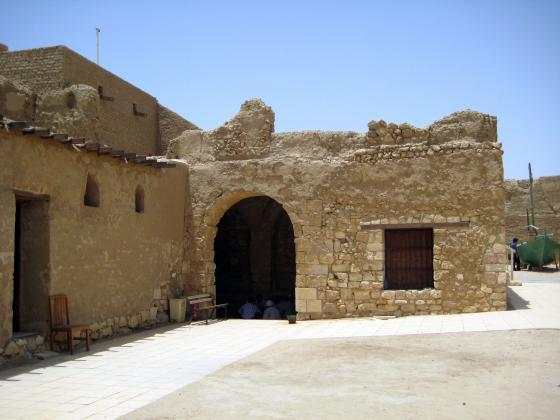
The 16th-century Ottoman fortress perched above the sea, housing a fascinating museum of Red Sea history, coral architecture, and military artefacts.

Roman Period · 1st Century BC
Excavated ruins of the ancient Roman and Islamic port just north of the city — one of the best-documented ancient harbours on the Red Sea coast.
15th Century
The spiritual heart of old Quseir — an ancient mosque honouring the Sufi saint Abu Al-Hassan Al-Shadhili, surrounded by a lively spice and craft market.
Traditions
Quseir’s traditions are a living blend of ancient Egyptian, Nubian, Ottoman, and East African influences — shaped by centuries of maritime trade and pilgrimage.
The morning fish market on the harbour is a centuries-old ritual. Local fishermen still sail traditional feluccas before dawn, returning with fresh Red Sea catch that define the town’s cuisine.
Learn more →For centuries North African pilgrims gathered in Quseir before crossing to Arabia. The city’s mosques, hostels, and Ottoman buildings all reflect this extraordinary spiritual heritage.
Learn more →Red Sea spice blends with African and Arabian influences produce a uniquely Quseirian cuisine — grilled fish marinated in cumin, coriander, and local herbs made by generations-old recipes.
Discover the food →Quseir has strong Nubian and East African roots reflected in its music and festival traditions. The Zar ceremony — a traditional healing ritual through music and dance — is still practised here.
Learn more →Quseir’s historic buildings are made from Red Sea coral blocks — a building technique unique to the Red Sea coast. The mashrabiyya screens and ventilation patterns are exquisite examples of vernacular craft.
Explore architecture →The ritual of offering qahwa — spiced Arabic coffee with cardamom and dates — to guests is a cornerstone of Quseirian hospitality and social life shared across generations.
Learn more →Bedouin Heritage
The Ababda and Bisharin Bedouin have roamed the Eastern Desert for millennia, trading with Quseir’s merchants and sharing their knowledge of ancient wadis, medicinal plants, and desert navigation. Their traditions of camel herding, star navigation, and desert crafts are preserved through guided safaris and cultural exchanges.
Discover Desert CulturePlaces & Attractions
15th-century mosque dedicated to a beloved Sufi saint — still an active place of worship and pilgrimage.
Active archaeological site with Roman and Islamic layers — potsherds from India litter the beach.
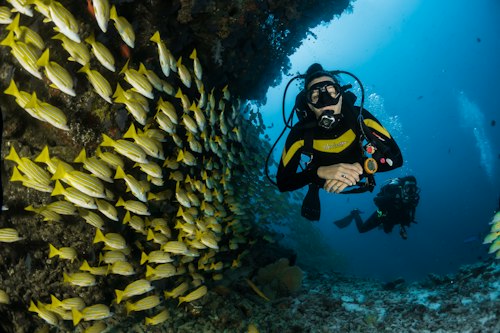
Renowned for its spectacular drop-off wall teeming with grouper, napoleon wrasse, and soft coral gardens.
Ancient pharaonic inscriptions, Bedouin trails, and fossil riverbeds in the Eastern Desert, 70 km inland.
City Map
Find key attractions, beaches, dive sites, restaurants, and services across the city. Click any marker to get directions.
Explore Quseir’s most important landmarks, beaches, and services.
Old Town · Open 9am–5pm
City Centre · Open to visitors
5 km North · Archaeological site
Corniche · Free access
Harbour area · Multiple operators
City Centre · Daily 6am–12pm
North & South of centre